Living with Visual Impairment
Reframed Eye · Jul 9, 2025
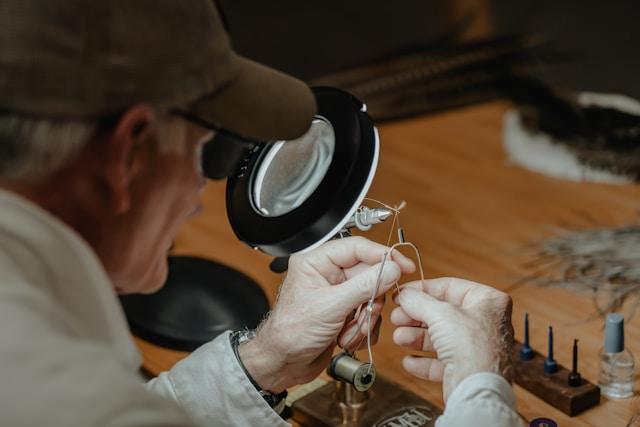
Over 25% of seniors in the United States over 71 years old have visual impairment*. There are a variety of eye diseases that lead to visual impairment, the most common being macular degeneration. Other causes include glaucoma, diabetic retinopathy, and retinitis pigmentosa. Visual impairment means that it is difficult to see, even while wearing glasses. Depending on the condition, faces may be difficult to distinguish, awareness of surroundings might be hindered, or even with reading glasses, the words in an article like this might be too blurry to read.
Regular eye exams are important to help diagnose conditions early on. Some conditions, like cataracts, can be treated with a surgery that is relatively easy and successful. Other times, medication can slow the progression of the vision loss. New treatments are consistently being developed and an eye doctor is the best one to recommend those treatments. Southeast Idaho not only has many competent eye doctors, but also has many wonderful specialists to help with these conditions as well.
With expert treatment and prescribed glasses, many are able to have their vision restored. However, in many instances, vision is still limited by eye disease. That is where low vision care can help. During a low vision exam, a trial frame refraction is performed to maximize visual acuity. A trial frame refraction means glasses with adjustable lenses are worn and lenses are changed to allow a wider field of view than the common phoropter. Contrast sensitivity is measured. A visual field or peripheral vision test may be performed, depending on the condition. Different colored tints may be tried. It is a different experience than a regular eye exam. More time is taken to discuss specific visual goals. Visual aids like a bioptic may be prescribed. A bioptic is a telescope mounted to a pair of glasses. In some cases, wearing a bioptic may even allow driving when the vision through regular glasses is not adequate to qualify for a driver’s license. Magnifying glasses, smartphone apps, large print options, video magnifiers, white canes, and many other assistive devices can be recommended.
Many people are not aware of low vision care. This is a service readily available right here in Southeast Idaho. If you or someone you know is struggling to do anything because of vision, ask your eye doctor for a recommendation of where to go. The Commission for the Blind and Visually Impaired (208-525-7028) can not only help you find a low vision provider, but also offers many other resources and services.